
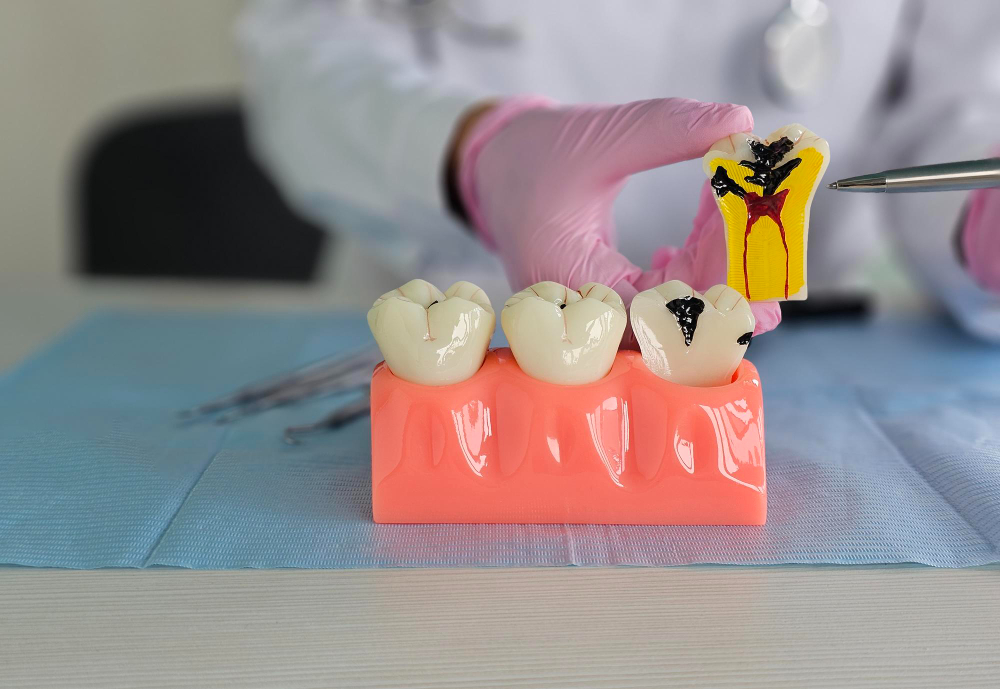
What Are Dental Caries?
Dental caries, also called tooth decay or cavities, are damaged areas in the hard surface of your teeth. These spots can turn into small holes or pits. Often, dental caries develop when bacteria in your mouth make acids that break down your teeth. Because dental caries are common, it is important to know how to spot and prevent them. Early care can help keep your teeth healthy and strong.
Causes of Dental Caries
Many factors can lead to dental caries. However, the main cause is the buildup of plaque. Plaque is a sticky film of bacteria that forms on your teeth. When you eat foods high in sugar or starch, bacteria feed on these and make acids. Over time, these acids can wear away your tooth enamel. As a result, cavities may form. Other causes include:
Because these causes are common, it is important to practice good oral hygiene every day.
Common Symptoms
Dental caries may not cause pain at first. But as the cavity grows, you may notice symptoms. For example, you might feel tooth sensitivity or pain when eating sweet, hot, or cold foods. Other signs include:
If you notice any of these symptoms, you should see a dentist soon. Early treatment can prevent further damage.
How Dental Caries Are Diagnosed
Dentists use several methods to find dental caries. First, they will look at your teeth and ask about your symptoms. Next, they may use a small mirror to check hard-to-see areas. Sometimes, X-rays are needed to spot cavities between teeth or under fillings. Because early detection is key, regular dental checkups are very important. This way, your dentist can catch problems before they get worse.
Treatment Options
Treatment for dental caries depends on how severe the cavity is. For small cavities, your dentist may suggest fluoride treatments. These can help repair early damage. If the cavity is larger, you may need a filling. The dentist will remove the decayed part and fill the space with a safe material. In some cases, a crown or cap may be needed to cover and protect the tooth. If the decay has reached the tooth’s nerve, a root canal may be required. In rare cases, the tooth may need to be removed. Because each case is different, your dentist will recommend the best treatment for you.
Prevention Tips and Oral Hygiene Guidance
Good oral hygiene is the best way to prevent dental caries. Here are some simple tips to keep your teeth healthy:
Because prevention is easier than treatment, following these steps can help you avoid cavities. The World Health Organization and CDC both recommend these habits for better dental health.
Conclusion
Dental caries are common, but you can prevent them with good habits. Early care and regular dental visits make a big difference. For personalized advice on preventing and treating dental caries, consult a dentist at Ganesh Dental Care.