What Are Oral Ulcers?
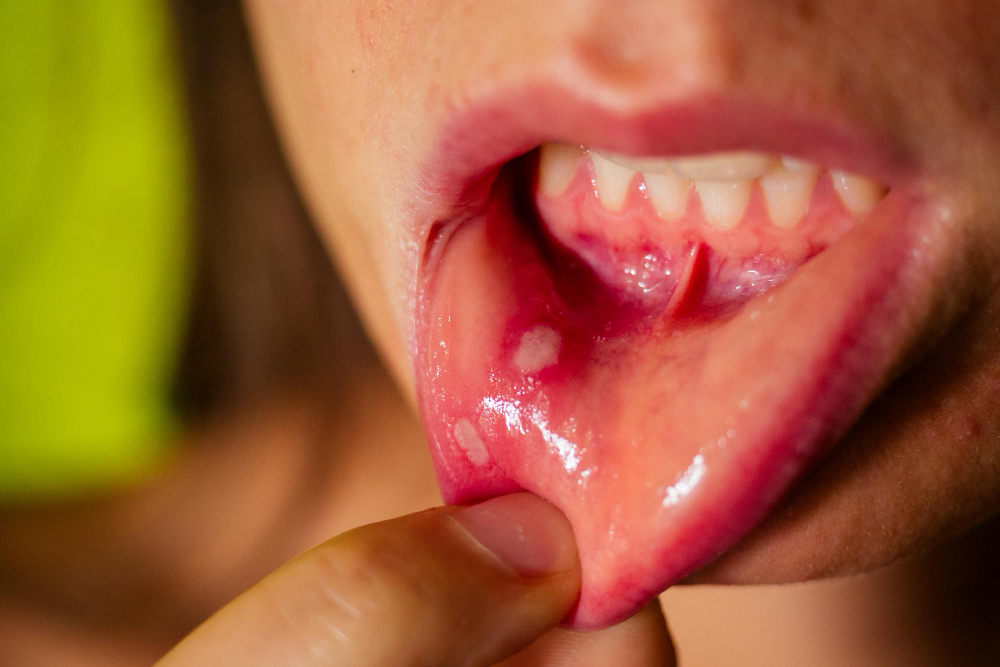
Oral ulcers are small, painful sores that appear inside the mouth. Often, they form on the inner cheeks, lips, tongue, or gums. These mouth sores can make eating, drinking, or talking uncomfortable. While most oral ulcers heal on their own, some may last longer or come back often. Because of this, they can affect your daily life. According to the World Health Organization (WHO), oral ulcers are common and affect people of all ages.
Common Symptoms of Oral Ulcers
Oral ulcer symptoms can vary, but most people notice pain or discomfort. Sometimes, you may see redness or swelling around the sore. For example, you might feel a burning or tingling before the ulcer appears. Below are common signs:
However, most oral ulcers heal within one to two weeks.
Causes and Risk Factors
There are many possible causes of oral ulcers. Sometimes, the exact reason is not clear. Still, several factors can increase your risk. For instance, minor mouth injuries are a common cause. Here are some known causes and risk factors:
Additionally, some medications can trigger mouth sores. If you notice frequent ulcers, it may help to track your diet and habits.
How Oral Ulcers Are Diagnosed
Usually, dentists diagnose oral ulcers by looking at the sore. They may ask about your symptoms and medical history. Sometimes, they check for possible causes, like recent injuries or new foods. In rare cases, your dentist may order blood tests or a biopsy. This helps rule out other conditions, such as infections or more serious diseases. However, most cases do not need special tests.
Treatment Options for Oral Ulcers
Most oral ulcers heal without treatment. Still, some home remedies and medicines can ease pain and speed up healing. For example, rinsing your mouth with salt water can help. Here are common treatment options:
Sometimes, your dentist may suggest special mouthwashes or steroid creams. If you have a health condition causing the ulcers, treating that condition is important. For those searching “oral ulcer treatment near me,” a local dentist can provide advice and care.
Prevention and Home Care Tips
While you cannot always prevent oral ulcers, some steps may lower your risk. For instance, good oral hygiene and a healthy diet can help. Try these tips:
Additionally, regular dental check-ups can catch problems early. If you notice new or frequent sores, keep a diary of your symptoms and triggers.
When to See a Dentist
Most oral ulcers heal on their own. However, you should see a dentist if:
Early care can help rule out serious problems and speed up healing. Therefore, do not ignore persistent or unusual mouth sores.
Conclusion
Oral ulcers are common and usually heal on their own. Still, they can cause pain and discomfort. If you have persistent oral ulcers, consult a dentist at Ganesh Dental Care for personalized advice.