
Introduction
Dental crowns are a common way to restore and protect teeth. Many people choose them because the benefits of dental crowns go beyond just looks. In fact, they can help improve your smile and boost your oral health. If you have a damaged or weak tooth, a dental crown may be the right solution. Let’s explore why dental crowns are so important for your teeth and gums.
What Are Dental Crowns?
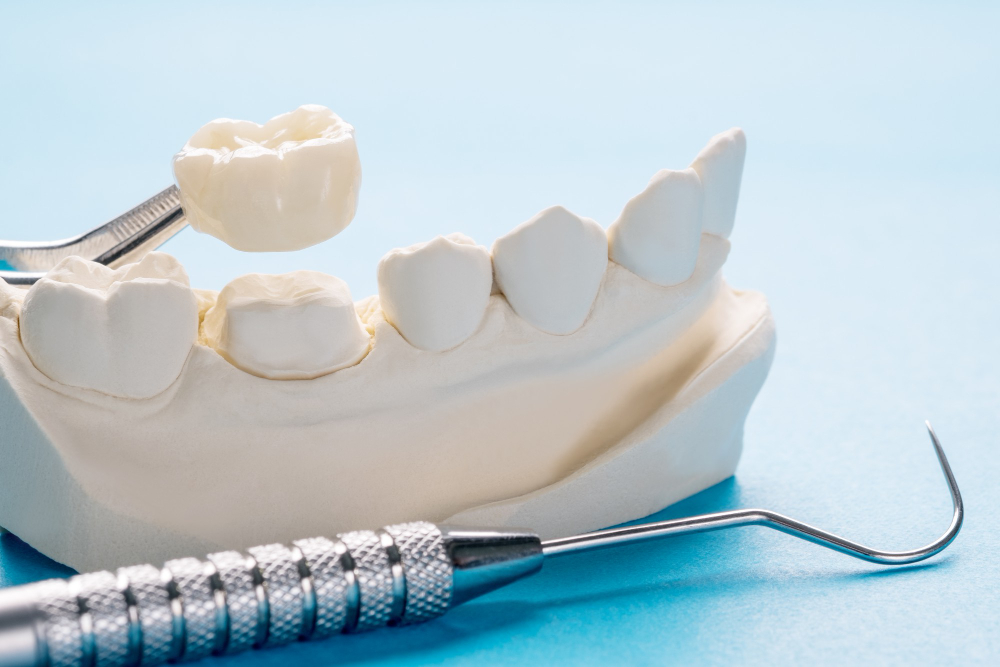
A dental crown is a cap that covers a tooth. It looks and feels like a natural tooth. Dentists use crowns to fix teeth that are broken, worn down, or weak. Sometimes, crowns are also used after a root canal or to hold a dental bridge in place. Because they fit over your tooth, crowns help restore both function and appearance.
Main Benefits of Dental Crowns
Dental crowns offer many advantages for your teeth and smile. Here are the main benefits:
Who Should Consider Dental Crowns?
Not everyone needs a dental crown. However, you may benefit if you have:
If you live in a city with many dental clinics, like New York or Los Angeles, you can easily find a dentist who offers dental crowns.
What to Expect During the Procedure
Getting a dental crown usually takes two visits. First, your dentist will shape your tooth and take a mold. Next, a lab makes your custom crown. While you wait, you may get a temporary crown. At your second visit, the dentist fits and cements the new crown. The process is simple and most people feel little discomfort.
Aftercare Tips for Dental Crowns
Proper care helps your crown last longer. Here are some tips:
With these steps, your crown can stay strong for many years.
Potential Risks and How to Minimize Them
Dental crowns are safe for most people. Still, there are some risks, such as:
To lower these risks, always follow your dentist’s advice. If you notice pain or the crown feels loose, contact your dentist right away. Regular dental visits can help catch problems early.
Conclusion
Dental crowns offer many benefits, from restoring your smile to improving oral health. They protect weak teeth, support bridges, and last for years. If you think you might need a crown, consult your dentist at Ganesh dental care to find out if dental crowns are right for you.
Sources: American Dental Association (ADA), World Health Organization (WHO)