
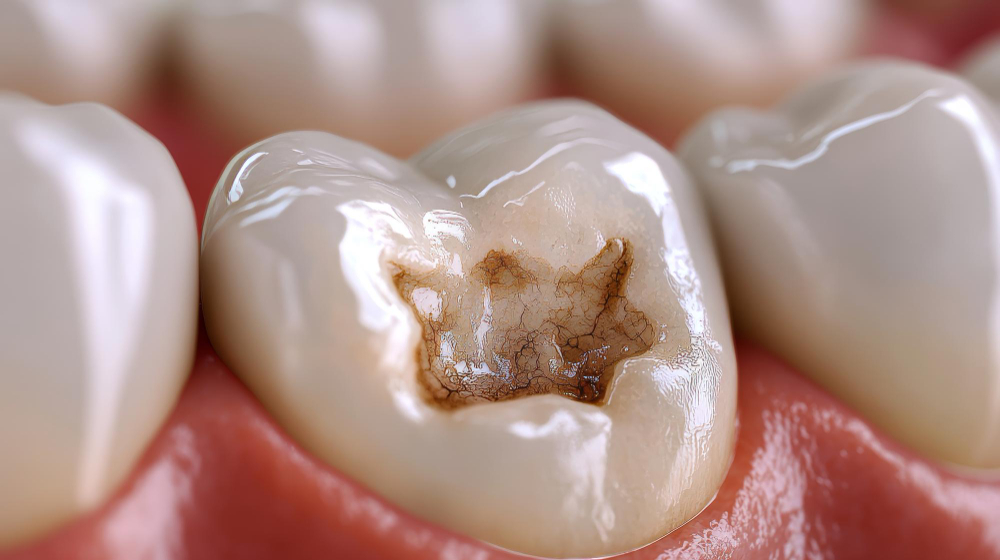
What Are Dental Caries?
Dental caries, also called tooth decay or cavities, are damaged areas in the hard surface of your teeth. They happen when bacteria in your mouth make acids that eat away at your tooth enamel. Over time, these acids can create holes or cavities. Dental caries are common, but you can prevent them with good oral care. According to the World Health Organization, dental caries affect people of all ages worldwide. Early care can help stop them from getting worse.
Causes of Dental Caries
Many factors can lead to dental caries. However, the main cause is the buildup of plaque, a sticky film of bacteria on your teeth. When you eat foods high in sugar or starch, bacteria feed on them and produce acids. These acids can damage your teeth. In addition, poor brushing and flossing can make things worse. Here are some common causes:
Because these causes are common, it is important to practice good oral hygiene every day.
Symptoms of Dental Caries
Dental caries may not cause pain at first. Yet, as they get bigger, you may notice signs of dental caries. Early detection can help prevent serious problems. Watch for these symptoms:
If you notice any of these signs, you should see a dentist soon. Early treatment can save your tooth.
How Dental Caries Are Diagnosed
Dentists use several methods to find dental caries. First, they will ask about your symptoms and check your mouth. Next, they may use special tools to look for soft spots or holes. In many cases, dentists take X-rays to see hidden decay between teeth. Sometimes, they use bright lights or dyes to spot early damage. Because dental caries can grow quickly, regular dental checkups are important. Early diagnosis means easier treatment and less pain.
Treatment Options for Dental Caries
Treatment for dental caries depends on how much damage there is. If caught early, your dentist may suggest fluoride treatments to help repair your enamel. However, if a cavity has formed, you may need a filling. For deeper decay, other treatments may be needed. Here are common ways to treat dental caries:
Because early treatment is easier, visit your dentist as soon as you notice any problems.
Prevention Tips for Dental Caries
Preventing dental caries is easier than treating them. With good habits, you can keep your teeth healthy. Here are some tips for tooth decay prevention:
In some areas, local water contains fluoride, which helps prevent dental caries. If you live in a city or region with low fluoride, your dentist may suggest supplements.
When to See a Dentist
It is important to see a dentist if you notice any signs of dental caries. Even if you do not have symptoms, regular dental visits can catch problems early. You should see a dentist if you have:
Because dental caries can get worse quickly, do not wait for pain to become severe. Early care can save your teeth and prevent bigger problems.
For the best advice and early treatment of dental caries, consult a dentist at Ganesh dental care. Your dentist can help you keep your smile healthy and strong.